Sunday- Thursday9AM - 5PM
OfficesSwaifeya , Princess Taghreed St. Saed Complex #14 3rd floor office #301
Leadership of the Organization (LD)
Provision of care (PC)
Laboratory Services (LB)
Radiology Services (RD)
Dental Services (DN)
Medication Management (MM)
Management of Information (MOI)
Infection Preventive and control (IPC)
Facility Management and Safety (FMS)
Day Procedure unit (DPU)
Dermatology & Aesthetics Medicine (DA)
We qualify hospitals and medical centers to obtain CBAHI accreditation by following all the necessary requirements to obtain this accreditation
CBAHI standards for hospitals that provide health care from the second level to the fourth level, as they serve more than 31 million people. Here, these Saudi hospitals that comply with the CBAHI standards in its third edition in 2015 have become eligible to obtain health facility quality accreditation.
Cbahi standards for hospitals
There are many hospital accreditation standards that have been codified by the cbahi Center to achieve quality accreditation for health facilities, and the most prominent cbahi standards for hospitals are the following:
How do I obtain CBAHI accreditation for hospitals?
There are some steps through which one can qualify for CBAHI accreditation through the facility conforming to all CBAHI standards for hospitals. These steps are as follows:
Register on the cbahi website
The hospital must be registered through the official CBAHI website, fill out the CBAHI form, and add the required information. Upon successful registration, both the national standards for hospitals and the accreditation guide are presented, which includes various activities related to the evaluation.
Program for introducing national standards for hospitals
The CBAHI Center offers a group of guidance programs throughout the year, with participation preference given to hospitals applying to obtain quality accreditation. These programs address the objectives of the standards and mechanisms for their implementation.
Comprehensive self-evaluation
All hospitals participating in CBAHI accreditation use a special self-evaluation tool that the center requires from those hospitals. This tool aims to measure the extent of the hospital’s commitment to the standards and requirements of accreditation, and here our role is in carrying out the required evaluations and preparing you to obtain this accreditation.
Initial evaluation visit
If the hospital adheres to most of the cbahi standards for hospitals, an agreement will be concluded between the center and the medical facility to determine the date for the trial visit to evaluate the facilities.
Final evaluation visit
It is necessary for a period of no less than six months to pass between two consecutive final evaluations, and if it is proven that the hospital is unable to obtain accreditation after the final evaluation visits have passed, it will be excluded temporarily or permanently from the quality accreditation program.
What is cbahi ESR for Hospitals?
ESR CBAHI refers to the set of national standards and requirements for patient safety which states:
The most important safety and infection control standards
There are some CBAHI standards for hospitals that specialize in infection control and securing hospital workers, patients, and those present in them, which are as follows:
What are the general cbahi standards for hospitals?
CBAHI standards for hospitals. The general standards of the CBAHI Quality Accreditation Center are divided into three types that include all elements of evaluating hospital performance, which are as follows:
Mechanisms for following up on the CBAHI Hospital Center after obtaining accreditation
The cbahi Center monitors the hospitals that have received accreditation and their compliance with the standards by following the following:
What are the cbahi criteria for hospitals to obtain accreditation?
CBAHI standards for hospitals are the standards that were developed by the Saudi Health Facilities Accreditation Center, and they number 133 standards divided into 11 main sections. The facility must achieve a percentage of no less than 75% of these standards to obtain accreditation, in addition to the presence of seven articles known as core. standards must be fully met for a facility to be certified.
What are the most prominent accreditation programs in cbahi ?
The national programs affiliated with the CBAHI Center are as follows:
The 5 Magnet® model components:
Following a detailed review of documentation and operational practice, the assessment process concludes with an onsite visit across several days.
Magnet® status is awarded for a 4-year period, with bi-annual reviews after which healthcare organizations must reapply to maintain their accreditation.
Management of Information (MOI)
Infection Preventive and control (IPC)
Facility Management and Safety (FMS)
Day Procedure unit (DPU)
Dermatology & Aesthetics Medicine (DA)
What does Magnet® status mean?
Magnet® represents the worldwide gold standard in nursing practice, and is only awarded to healthcare organizations demonstrating exceptional standards in delivering nursing services, quality patient care, professional innovation, and clinical outcomes.
Independent research has shown that patient care outcomes are better at Magnet® accredited hospitals. This is attributed to where the professional environment values and empowers nurses and supports nursing leadership.
What does it mean for patients?
What does it mean for nurses and the organization?
JCI is an international accreditation organization that accredits healthcare organizations and programs globally. The standards help healthcare businesses perform better by ensuring they meet all quality standards, infection control protocols, and patient safety and care requirements.
Measure, Assess, and Improve Your Performance
JCI standards serve as the foundation of an evaluation process that can help health care organizations like yours measure, assess, and improve performance.
It’s our goal to develop standards that promote quality and ensure patient safety. JCI standards set clear expectations for organizations that are reasonable, achievable, and measurable. The standards are developed and organized around important functions common to all health care organizations.
JCI develops standards with input and information from:
Joint Commission International standards specify that organizations must collect data as part of their quality improvement system. To comply with these standards, the organization’s leadership selects well-defined, evidence-based measures that are applicable to the organization’s patient populations and services. With the retirement of Joint Commission International’s Library of Measures, JCI accredited hospitals could consider using The Joint Commission’s performance measures for guidance on collecting data.
Why your hospital should get Joint Commission International (JCI) accreditation?
The accreditation seal provides numerous advantages to the organization:
It demonstrates the competence and dedication of healthcare providers to deliver their services at the highest standards.
✓ Increase Credibility of your hospital among patients: It fosters trust among patients for the organization by assuring healthcare standards, encompassing medical services, patient safety, and overall care.
✓ Satisfying regulatory obligation: Meeting JCI standards means that your hospital is already compliant and indicates that it might not need and further surveys or audits.
✓ Builds reputation of the hospital: Besides bolstering the healthcare organization’s reputation with its patients, it distinguishes them in the market, setting them apart from competitors.
✓ Builds trust among different organizations: Accredited organizations earn respect from fellow businesses, service providers, insurance companies, and government ministries.
✓ Enhance quality of services: Organizations can assess, measure, and enhance the quality of their services.
✓ Strengthen staff recruitment: Certification aids in recruiting highly skilled clinical staff, addressing public health demands.
✓ Enhance, structure, and standardize processes: Implementing standards helps organizations enhance, structure, and standardize various clinical processes, such as admission, patient care planning, assessment, and facility management.
✓ Get competitive edge: The joint commission international accreditation standards for hospitals provide competitive edge to get more business via marketing
The benefits of Joint Commission International (JCI) accreditation for patients:
⦿ Building trust among patients: Patients can trust that a CCPC-certified service meets all standards, ensuring quality patient care, safety, and comprehensive support.
⦿ Continuous & consistent improvement: Certification facilitates ongoing improvement, leading to better, more consistent, and safer healthcare delivery.
⦿ Builds credibility: Accreditation lends credibility and validation to organizations in the eyes of the external world.
We are a company that qualifies and helps nurses achieve their goals and ambitions.
In professional development by offering various programs that help this important sector in raising its efficiency,
We provide our services to all nationalities. We prepare for the American Board exam (NCLEX).
The American Board of Nursing Certificate is considered one of the most prestigious professional certificates in the field of nursing in the United States. It is a certificate recognized by a specific organization known as the American Nurses Association or the American Nurses Credentialing Center.
A professional recognition of competence and experience in the field of nursing, the American Board Certification is a strong indicator of a nurse’s excellence and fulfillment of specific standards. This certification shows that the nurse has passed a specific exam and is excelling in his or her field, which enhances his credibility and increases his respect among employers and the medical community.
Enhancing career opportunities: Obtaining an American Board certificate for a nurse provides advanced opportunities in the labor market. This certificate is a mark of distinction that distinguishes a nurse from others, which enhances his or her chances of obtaining more challenging jobs and providing distinguished medical services, including leadership and supervisory positions in health institutions.
Raising the level of skills and knowledge: By preparing for the American Board exam, the nurse must improve his skills and expand his knowledge in the field of nursing. This contributes to the development of the nurse and enhances his level of professionalism, which leads to the provision of high-quality health services.
Enhancing confidence and professionalism: The American Board certification contributes to building confidence in the nurse’s abilities and enhancing his professionalism. This certification adds a positive touch to a nurse’s CV and demonstrates his or her commitment to continuous learning and improving the quality of nursing care.
Distinction and excellence: A nurse’s obtaining the American Board Certification is considered an outstanding personal and professional achievement. This certificate reflects his desire for excellence and the pursuit of providing the best level of health care to patients, which adds additional value to his career path.
You may also be interested in: American Board of Business
How to prepare for the American Board of Nursing exams?
Passing this exam qualifies you to pass all other exams, such as the Prometric and all Gulf boards.
We have a platform that contains an exam management system to help all educational entities and students practice for the NCLEX exam and other important exams for the nursing sector.
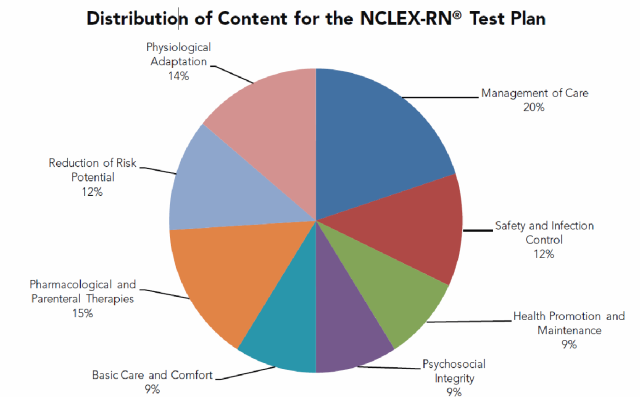
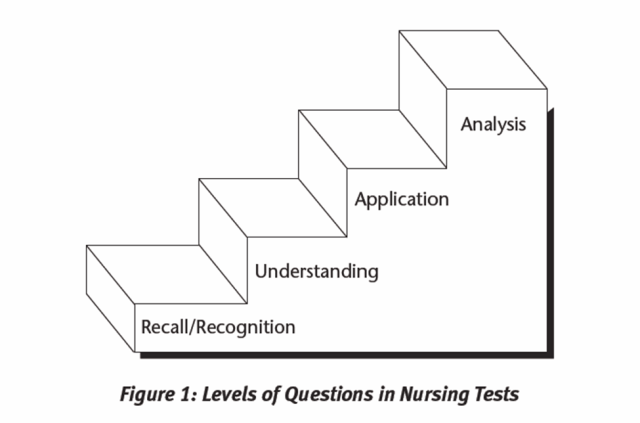
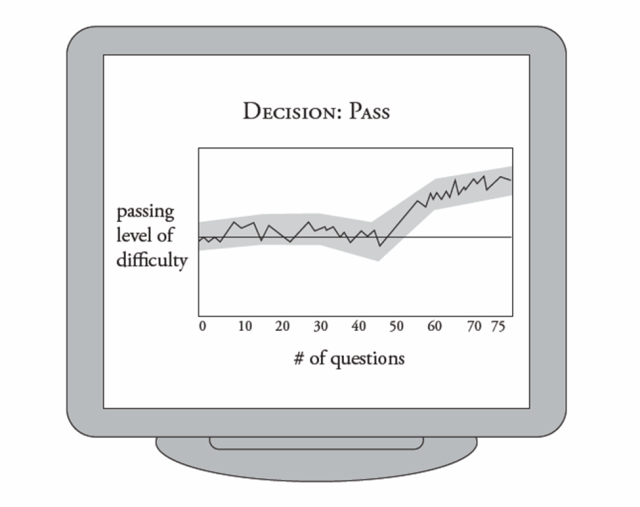
About the NCLEX test
You can take NCLEX test in :